
Quick answer
Vitamin D deficiency means a blood 25-hydroxyvitamin D level below 20 ng/mL. It is usually silent; when severe it causes fatigue, diffuse bone pain and muscle weakness, and can lead to osteomalacia in adults and rickets in children. Long-term it contributes to osteoporosis and fractures. It is diagnosed with a simple blood test and treated with a therapeutic course for 8–12 weeks followed by a maintenance dose, with a repeat test after about 3 months.
✅ Last medically reviewed by Prof. Dr. Ibrahim Shaarawi, Professor of Orthopaedic Surgery, on 5 October 2026
As a professor of orthopaedic surgery I see vitamin D deficiency every day: a woman with “aches in every bone”, a teenager with bowed legs, an older man who broke his hip after a minor fall. Despite abundant sunshine in Egypt, deficiency is common because of covered clothing, indoor lifestyles and obesity. This guide covers symptoms, causes, the blood test and treatment, and links to detailed guides on each complication.
What is vitamin D deficiency?
Vitamin D helps the gut absorb calcium and phosphate, the minerals that harden bone, and it also supports muscle function. Deficiency means the body does not have enough of it to keep bones and muscles healthy. You get vitamin D in three ways: from sunlight on the skin, from food (oily fish, egg yolk, liver, fortified foods) and from supplements.
Symptoms of vitamin D deficiency
- Fatigue and reduced stamina.
- Diffuse bone pain, especially in the lower back, pelvis and legs, and tenderness when the bone is pressed.
- Muscle weakness — difficulty rising from a chair or climbing stairs — and cramps.
- Tingling around the mouth and fingers if calcium falls.
- In children: late walking and teething, and bowed legs — see rickets in children.
Vitamin D deficiency in women
Women are at higher risk because of pregnancy, breastfeeding and covered clothing. In a study of women of childbearing age in Cairo, 43% were deficient and a further 13% insufficient. After menopause the risk of osteoporosis is added — see osteoporosis symptoms in women.
Vitamin D deficiency in older adults
Muscle weakness, falls and bone pain are typical, and the first sign may be a fracture after a minor fall. See vitamin D and fractures in older adults.
Video: vitamin D deficiency
The vitamin D blood test: normal range
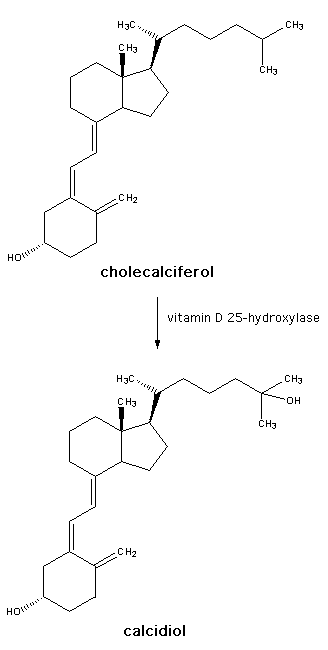
The right test is 25-hydroxyvitamin D, the form made by the liver that reflects body stores. The 1,25-dihydroxy test is not used to diagnose deficiency.
| Level (ng/mL) | nmol/L | Interpretation |
|---|---|---|
| Below 12 | Below 30 | Severe deficiency — risk of osteomalacia and rickets |
| 12–19 | 30–49 | Deficiency |
| 20–29 | 50–74 | Adequate for bone health in most people (Institute of Medicine); some labs call it “insufficient” |
| 30–100 | 75–250 | Good level |
| Above 150 | Above 375 | High — risk of toxicity and high calcium |
Laboratories use cut-offs of 20 or 30 ng/mL depending on the reference, so the result is read alongside symptoms and risk factors. The 2024 Endocrine Society guideline advises against routine testing of healthy people.
Causes and risk factors
- Little sun exposure, covered clothing, darker skin.
- Breastfed infants without vitamin D drops.
- Older age (the skin makes less vitamin D).
- Obesity (vitamin D is stored in fat).
- Malabsorption: coeliac disease, Crohn’s disease, and bariatric surgery — the risk is higher after gastric bypass than after sleeve gastrectomy.
- Chronic kidney or liver disease.
- Medicines such as some anticonvulsants and long-term steroids.
Vitamin D deficiency and your bones
| Complication | Who it affects | Key feature |
|---|---|---|
| osteomalacia | Adults with severe, long-standing deficiency | Diffuse bone pain, muscle weakness, abnormal blood tests |
| rickets in children | Growing children | Bowed legs, widened wrists, late walking |
| osteoporosis | Older adults, women after menopause | Silent until a fracture; deficiency is a contributing factor |
| vitamin D and fractures in older adults | Frail older adults | Vitamin D plus calcium helps those who are deficient |
| vitamin D deficiency and bone and joint pain | Any age | Severe deficiency causes bone pain; localised joint pain usually has another cause |
Key numbers to know
- In a study of Egyptian women of childbearing age, 43% were vitamin D deficient and 13% insufficient; only 44% had normal levels (Gerges et al., 2021).
- The Endocrine Society (2024) suggests vitamin D supplements for children aged 1–18 to prevent rickets, for adults over 75, and during pregnancy (Demay et al., Endocrine Society 2024).
- In the VITAL trial of 25,871 people followed for 5.3 years, vitamin D alone did not reduce fractures in people without deficiency or osteoporosis (LeBoff et al., NEJM 2022).
At Prof. Dr. Ibrahim Shaarawi’s clinics in Nasr City, Mohandeseen and New Cairo (5th Settlement) we review your vitamin D, calcium and bone density results and examine the cause of pain or fracture before deciding on the right dose or osteoporosis treatment.
Treatment: doses and duration
| Phase | Typical adult regimen | Notes |
|---|---|---|
| Treatment (usually 8 weeks) | 50,000 IU weekly or 6,000 IU daily | Until the level is above about 30 ng/mL |
| Maintenance | 1,500–2,000 IU daily for those at risk | Or 600–800 IU for general prevention |
| Obesity / malabsorption | 2–3 times higher doses | Under medical supervision |
| High-dose ampoules (200,000 IU) | Loading dose when needed | Not repeated without a test — see vitamin D injections |
- Vitamin D3 raises blood levels more efficiently than D2.
- Take it with a meal containing some fat.
- Recheck the level after about 3 months.
- The usual safe upper limit for long-term daily use in adults is 4,000 IU unless your doctor advises otherwise.
- For babies and children see vitamin D for infants and children; to compare supplements see the best vitamins for bones and joints.
Can too much vitamin D be harmful?
Yes. Repeated high doses can cause vitamin D toxicity with high blood calcium: nausea, vomiting, constipation, thirst, frequent urination, confusion, kidney stones and kidney injury. Vitamin D is a treatment, not a general tonic — take it based on a test and follow up with a test.
Frequently asked questions about vitamin D deficiency
What are the symptoms of vitamin D deficiency?
Mild deficiency is usually silent. Severe deficiency causes fatigue, diffuse bone pain, muscle weakness and cramps; in children, late walking and bowed legs.
What is a normal vitamin D level?
A level of 20 ng/mL or more is adequate for bone health in most people, and some labs prefer 30 or more. Below 12 is severe deficiency and above 150 is high and potentially toxic.
How long does it take to correct vitamin D deficiency?
Usually 8–12 weeks of treatment followed by a daily maintenance dose, with a repeat blood test after about 3 months.
Does vitamin D deficiency cause osteoporosis?
Chronic deficiency contributes to osteoporosis and fractures, but severe deficiency in adults directly causes osteomalacia, a different disease with pain and muscle weakness.
Are vitamin D injections better than tablets?
Not for everyone. Daily or weekly tablets work well and give steadier levels; injections help in malabsorption or when adherence is difficult.
Does bariatric surgery cause vitamin D deficiency?
It can. The risk is highest after gastric bypass, which bypasses part of the small intestine; after sleeve gastrectomy reduced intake still makes supplements and regular testing advisable.
To have your bones assessed and your tests reviewed, book a consultation, call +20 155 240 4488 or message us on WhatsApp at +20 155 554 7181.
Medically reviewed by Prof. Dr. Ibrahim Shaarawi, Professor of Orthopaedic Surgery. This article is general medical education and does not replace an examination or the treatment plan your doctor sets for you. See our medical disclaimer.
Related vitamin D and bone health guides
Detailed guides in our vitamin D and bone health series:
- Vitamin D injections
- Vitamin D deficiency and bone and joint pain
- Osteomalacia
- Rickets in children
- Calcium injections for bones
- Vitamin D for infants and children
- The best vitamins for bones and joints
- Osteoporosis
- The bone density (DEXA) test
- Vitamin D and fractures in older adults
References
- Demay MB, et al. Vitamin D for the Prevention of Disease: An Endocrine Society Clinical Practice Guideline. J Clin Endocrinol Metab. 2024;109(8):1907-1947.
- Holick MF, et al. Evaluation, treatment, and prevention of vitamin D deficiency: an Endocrine Society clinical practice guideline. J Clin Endocrinol Metab. 2011;96(7):1911-30.
- Ross AC, et al. The 2011 report on dietary reference intakes for calcium and vitamin D from the Institute of Medicine: what clinicians need to know. J Clin Endocrinol Metab. 2011;96(1):53-8.
- Tripkovic L, et al. Comparison of vitamin D2 and vitamin D3 supplementation in raising serum 25-hydroxyvitamin D status: a systematic review and meta-analysis. Am J Clin Nutr. 2012;95(6):1357-64.
- Gerges MES, et al. Vitamin D level in a sample of Egyptian females of childbearing age attending a family medicine center. Int J Clin Pract. 2021;75(4):e13738.
- Sherief LM, et al. Vitamin D status and healthy Egyptian adolescents: Where do we stand? Medicine (Baltimore). 2021;100(29):e26661.
- Bhan A, et al. Osteomalacia as a result of vitamin D deficiency. Endocrinol Metab Clin North Am. 2010;39(2):321-31.
- Munns CF, et al. Global Consensus Recommendations on Prevention and Management of Nutritional Rickets. J Clin Endocrinol Metab. 2016;101(2):394-415.
- NIH Office of Dietary Supplements. Vitamin D — Fact Sheet for Health Professionals.