
Quick answer
There is no calcium injection used to strengthen bones or treat osteoporosis. Injectable calcium (calcium gluconate) is a hospital medicine given slowly into a vein to treat acutely low blood calcium. When patients ask for a “calcium injection for bones”, they usually mean a vitamin D injection, an osteoporosis injection such as the 6-monthly Prolia, or Betaphos (a steroid, not calcium). Calcium for bones comes from food first, then tablets if needed.
✅ Last medically reviewed by Prof. Dr. Ibrahim Shaarawi, Professor of Orthopaedic Surgery, on 5 October 2026
This is one of the questions I hear most often. Sometimes the patient has already had an injection without knowing what it was. Here is what actually exists and what strengthens bone, as part of our guides to osteoporosis and vitamin D deficiency.
Is there a calcium injection that strengthens bones?
No. Osteoporosis guidelines do not include periodic calcium injections. The body needs calcium steadily every day, a single injection does not “store” calcium in bone, and blood calcium is tightly regulated by hormones and vitamin D.
When is calcium actually injected?
- Acute hypocalcaemia with symptoms such as seizures, severe cramps or heart rhythm problems.
- After some thyroid or parathyroid operations.
- Some emergencies such as certain drug toxicities and high potassium.
In these situations it is given slowly into a vein in hospital with heart monitoring. Calcium injected into muscle or under the skin can inflame and damage tissue and is not used to strengthen bone.
What people usually mean by a “calcium injection”
| Injection the patient asks about | What it really is | Does it strengthen bone? |
|---|---|---|
| Vitamin D injection / ampoule | High-strength vitamin D3 | Corrects deficiency and calcium absorption; not enough alone to treat osteoporosis |
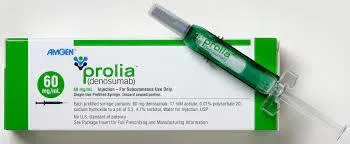
| 6-monthly osteoporosis injection (Prolia) | Denosumab under the skin | Yes — reduces fractures in osteoporosis |
| Yearly osteoporosis infusion | Zoledronic acid into a vein | Yes — reduces fractures in osteoporosis |
| Daily teriparatide pen | A bone-building hormone | Yes — for severe osteoporosis |
| Betaphos injection | A local corticosteroid for inflammation | No — repeated steroids can weaken bone |
| “Calcium filler for the face” | A cosmetic calcium hydroxylapatite filler | Unrelated to bones |
Details of each: vitamin D injections, the 6-monthly osteoporosis injection (Prolia) and Betaphos injection.
Key numbers to know
- In the FREEDOM trial, Prolia cut new vertebral fractures by 68% (2.3% vs 7.2%) and hip fractures by 40% (Cummings et al., NEJM 2009).
- In the HORIZON trial, yearly zoledronic acid cut vertebral fractures by 70% and hip fractures by 41% over 3 years (Black et al., NEJM 2007).
- Calcium supplements lowered overall fracture risk by about 11% in randomised trials but did not reduce hip fractures (Bolland et al., BMJ 2015).
| Treatment | When we use it | Notes |
|---|---|---|
| Calcium, vitamin D, exercise and fall prevention | Everyone with or at risk of osteoporosis | The foundation, but not enough alone in established osteoporosis |
| Bisphosphonate tablets | Osteoporosis without multiple fractures | Taken correctly on an empty stomach |
| Zoledronic acid (yearly infusion) | People preferring a yearly dose with good kidney function | Cut vertebral fractures by 70% in HORIZON |
| Prolia injection every 6 months | High fracture risk or moderate kidney disease | Must not be stopped abruptly without a follow-on drug |
| Bone-building drugs (teriparatide or romosozumab) | Severe osteoporosis and multiple fractures | Followed by a maintenance drug after the course |
| Fracture surgery (fixation or replacement) | When a hip or other fracture occurs | Together with starting osteoporosis treatment to prevent the next fracture |
At Prof. Dr. Ibrahim Shaarawi’s clinics in Nasr City, Mohandeseen and New Cairo (5th Settlement) we review your vitamin D, calcium and bone density results and examine the cause of pain or fracture before deciding on the right dose or osteoporosis treatment.
Video: taking calcium but your bones are still weak?
Why calcium alone does not strengthen bones
Weak bone is not simply “a lack of calcium”. In osteoporosis bone loses its internal structure because of age, menopause, hormones and medicines. A systematic review in the BMJ found that increasing calcium from food or supplements does not clearly reduce fractures in most people. What reduces fractures in osteoporosis is osteoporosis medicine together with adequate vitamin D and calcium, exercise and fall prevention.
How much calcium do you need?
| Group | Calcium per day (food plus supplements) |
|---|---|
| Adults 19–50 | 1,000 mg |
| Men 51–70 | 1,000 mg |
| Women over 50 and men over 70 | 1,200 mg |
| Teenagers 9–18 | 1,300 mg |
The right way to take calcium
- Food first: a glass of milk or a pot of yoghurt provides about 300 mg; cheese, sardines with bones and leafy greens are good sources.
- Use supplements only to fill the gap, with no more than 500–600 mg per dose.
- Take calcium carbonate with food; calcium citrate can be taken any time and suits people on acid-reducing medicines.
- Make sure vitamin D is adequate.
- Excess supplements can cause constipation and kidney stones.
To compare supplements see the best vitamins for bones and joints.
When you need an assessment instead of an injection
- A fracture after a minor fall, a stooped back or height loss.
- A woman after menopause with risk factors, or anyone over 65.
- Diffuse bone pain and muscle weakness (possibly osteomalacia).
- Long-term steroid use.
In these cases we start with the bone density (DEXA) test and vitamin D and calcium tests, then choose treatment.
Frequently asked questions about calcium injections for bones
Is there a calcium injection to strengthen bones?
No. Calcium injections are not used to strengthen bones or treat osteoporosis; intravenous calcium is reserved for acutely low calcium in hospital.
Which injection actually strengthens bones?
In osteoporosis: Prolia under the skin every 6 months, zoledronic acid into a vein once a year, or daily teriparatide for severe cases — all prescribed after a bone density test.
Does Betaphos contain calcium?
No. Betaphos is a local corticosteroid for inflammation and pain; it is not calcium, does not strengthen bone, and repeated use can harm bone.
Are calcium injections under the skin safe?
They are not an approved bone treatment, and calcium outside a vein can inflame and damage tissue. Never accept an unknown injection without a doctor’s prescription.
What is the best way to get calcium?
From food first — milk, yoghurt and cheese — then a supplement of no more than 500–600 mg per dose, with adequate vitamin D.
To have your bones assessed and your tests reviewed, book a consultation, call +20 155 240 4488 or message us on WhatsApp at +20 155 554 7181.
Medically reviewed by Prof. Dr. Ibrahim Shaarawi, Professor of Orthopaedic Surgery. This article is general medical education and does not replace an examination or the treatment plan your doctor sets for you. See our medical disclaimer.
Related vitamin D and bone health guides
Related guides on calcium and bone strength:
- Vitamin D deficiency
- Vitamin D injections
- Vitamin D deficiency and bone and joint pain
- Osteomalacia
- Rickets in children
- Vitamin D for infants and children
- The best vitamins for bones and joints
- Osteoporosis
- The 6-monthly osteoporosis injection (Prolia)
- The bone density (DEXA) test
- Betaphos injection
References
- Bolland MJ, et al. Calcium intake and risk of fracture: systematic review. BMJ. 2015;351:h4580.
- Ross AC, et al. The 2011 report on dietary reference intakes for calcium and vitamin D from the Institute of Medicine: what clinicians need to know. J Clin Endocrinol Metab. 2011;96(1):53-8.
- American Academy of Orthopaedic Surgeons (OrthoInfo). Calcium, Nutrition, and Bone Health.
- Cummings SR, et al. Denosumab for prevention of fractures in postmenopausal women with osteoporosis. N Engl J Med. 2009;361(8):756-65.
- Black DM, et al. Once-yearly zoledronic acid for treatment of postmenopausal osteoporosis. N Engl J Med. 2007;356(18):1809-22.
- Holick MF, et al. Evaluation, treatment, and prevention of vitamin D deficiency: an Endocrine Society clinical practice guideline. J Clin Endocrinol Metab. 2011;96(7):1911-30.