
The commonest symptoms of a meniscus tear are pain on one side of the knee that gets worse with twisting and squatting, swelling that develops over a day or two, and a feeling that something catches or locks inside the knee. A medial meniscus tear hurts on the inner side of the knee; a lateral meniscus tear hurts on the outer side. Prof. Dr. Ibrahim Shaarawi, Professor of Orthopaedic Surgery, explains how to tell an acute tear from a degenerative one, and which signs mean you should be seen promptly.
Key takeaways
- Pain on the side of the knee when twisting, squatting or climbing stairs is the most common symptom.
- A locked knee that will not fully straighten needs prompt assessment, because a flipped fragment may need arthroscopy.
- Large swelling within hours of an injury usually points to another injury as well, such as an ACL rupture or a fracture, and needs urgent assessment.
- A degenerative tear can start with no clear injury, with gradually increasing pain after the age of forty.
Common meniscus tear symptoms
- Joint-line pain: on the inner or outer side, worse when twisting the knee, squatting, or getting up from the floor.
- Gradual swelling: usually over 24 to 48 hours after the injury, and it may recur after activity.
- Stiffness and difficulty bending the knee fully.
- Clicking or catching: a sense that something moves inside the knee.
- Locking: the knee gets stuck bent and will not straighten until it is moved in a certain way.
- Giving way: a sudden feeling that the knee will buckle. It is more common when the tear comes with an ACL injury.
Many people can walk straight after the injury, even finish the game, and the symptoms only become obvious the next day as the knee swells.
Medial meniscus tear symptoms
The medial (inner) meniscus is injured most often, because it is more firmly attached to the joint capsule and moves less. Typical symptoms:
- pain on the inner side of the knee, often towards the back, because the posterior horn is the commonest place to tear
- pain going downstairs, sitting cross-legged, or sleeping on your side with the knees together
- tenderness when pressing along the inner joint line
Lateral meniscus tear symptoms
The lateral (outer) meniscus is more mobile, and its tears often accompany an acute ACL rupture. Typical symptoms:
- pain on the outer side of the knee, especially with twisting and pivoting
- clicking or catching that is sometimes more noticeable than with medial tears
- in children, a discoid meniscus, an unusually large lateral meniscus, can cause an audible clunk or locking without a major injury
| Feature | Medial meniscus | Lateral meniscus |
|---|---|---|
| Pain location | Inner side of the knee | Outer side of the knee |
| How common | Most common | Less common; more frequent with acute ACL tears |
| Usual tear site | Posterior horn | Posterior horn and root |
| In children | Rare | Discoid meniscus is a known cause |
Acute versus degenerative tears
| Acute (traumatic) tear | Degenerative tear |
|---|---|
| Usually under 35 | Usually over 40 |
| Clear injury: twisting with the foot planted | No injury, or a minor movement such as rising from a squat |
| Pain and swelling within a day or two | Gradual pain over weeks |
| Mechanical symptoms (locking, catching) more common | Pain and stiffness more than locking |
| May be repairable | Usually treated without surgery |
How is it diagnosed?
- History: how the injury happened, and whether there was locking or swelling.
- Examination: joint-line tenderness and specific tests such as the McMurray and Thessaly tests.
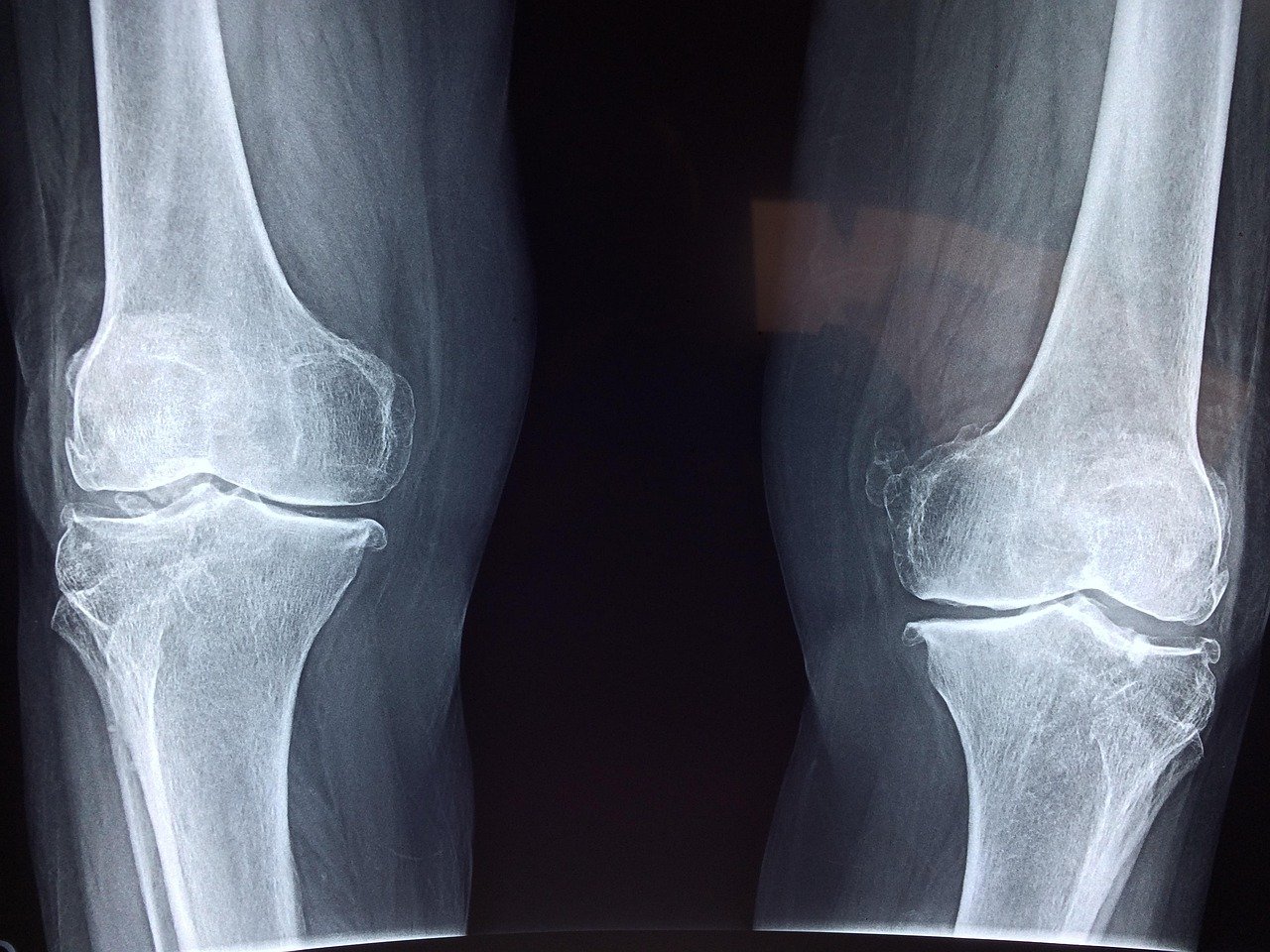
- X-ray: does not show the meniscus, but rules out fractures and assesses arthritis.
- MRI: the most accurate test for the location, pattern and grade of the tear. See meniscus tear grades.
Conditions that can mimic a meniscus tear
- Medial collateral ligament sprain: inner knee pain after an injury, but without locking.
- Knee osteoarthritis: gradual pain and morning stiffness, sometimes with degenerative tears. See knee osteoarthritis.
- Kneecap problems: pain at the front of the knee with stairs and prolonged sitting.
- Baker’s cyst: swelling behind the knee, often associated with meniscus tears.
For sudden knee pain in general, see sudden knee pain: causes, diagnosis and treatment.
When to see a doctor straight away
- a locked knee that will not fully straighten
- large swelling within a few hours of an injury
- being unable to put weight on the leg
- severe pain with heat and redness in the knee without an injury
Frequently asked questions
Can you walk with a torn meniscus?
Yes, most people can, but that does not mean the injury is minor. Walking with pain or repeated locking needs assessment, because some tears get larger if neglected.
Do meniscus tear symptoms go away on their own?
Acute symptoms often settle over weeks with rest and exercise, especially with small and degenerative tears. Repeated locking, however, usually does not resolve without treatment. Read does a torn meniscus heal on its own?
What is the difference between meniscus and ACL symptoms?
An ACL tear usually causes rapid swelling within hours and an obvious feeling that the knee is unstable. A meniscus tear causes side pain, catching and slower swelling. The two often happen together. See ACL reconstruction.
Think you have a torn meniscus?
The right diagnosis starts with an examination before the MRI. Book an assessment with Prof. Dr. Ibrahim Shaarawi here, message us on WhatsApp at +20 155 554 7181, or call +20 155 240 4488. Learn about arthroscopic meniscus surgery if you end up needing it.
Medically reviewed by Prof. Dr. Ibrahim Shaarawi, Professor of Orthopaedic Surgery. This article is general medical education and does not replace a personal consultation. See our medical disclaimer.
References
- American Academy of Orthopaedic Surgeons (OrthoInfo). Meniscus Tears.
- Mayo Clinic. Torn meniscus: Symptoms and causes.
- Karachalios T, et al. Diagnostic accuracy of a new clinical test (the Thessaly test) for early detection of meniscal tears. J Bone Joint Surg Am. 2005;87(5):955-962.
- Kopf S, et al. Management of traumatic meniscus tears: the 2019 ESSKA meniscus consensus. Knee Surg Sports Traumatol Arthrosc. 2020;28(4):1177-1194.