
Quick answer
Bone spurs (osteophytes) are extra bone that grows at the edge of a joint or where a tendon attaches, most often in the knee, foot, heel, shoulder and spine. Most cause no symptoms and turn up by chance on an X-ray. Treatment depends on where the spur is and why it formed: shoes, exercise and weight control usually come first, and surgery is kept for spurs that press on a tendon or nerve or cause pain that does not settle.
✅ Last medically reviewed by Prof. Dr. Ibrahim Shaarawi, Professor of Orthopaedic Surgery, on 28 October 2026
Patients often ask me after reading an X-ray report whether their spurs are dangerous and whether they need removing. The answer depends on the site. A spur on the edge of the knee is part of osteoarthritis, a bump on the side of the foot comes from a bunion, a bump at the back of the heel involves the Achilles tendon, and a hard lump near the knee in a child is usually a benign osteochondroma. This guide brings these together, with a detailed article for each.
What is a bone spur?
Doctors call it an osteophyte or exostosis. It is normal bone in the wrong place, built slowly over months or years. The body usually makes it as a reaction: when joint cartilage wears, when a tendon pulls on bone for a long time, or when a shoe presses on the same spot every day.
- Arthritis spurs: on the edges of the knee, hip, spine and finger joints, common after 50.
- Pressure spurs: such as the bunion on the side of the foot and the bump at the back of the heel.
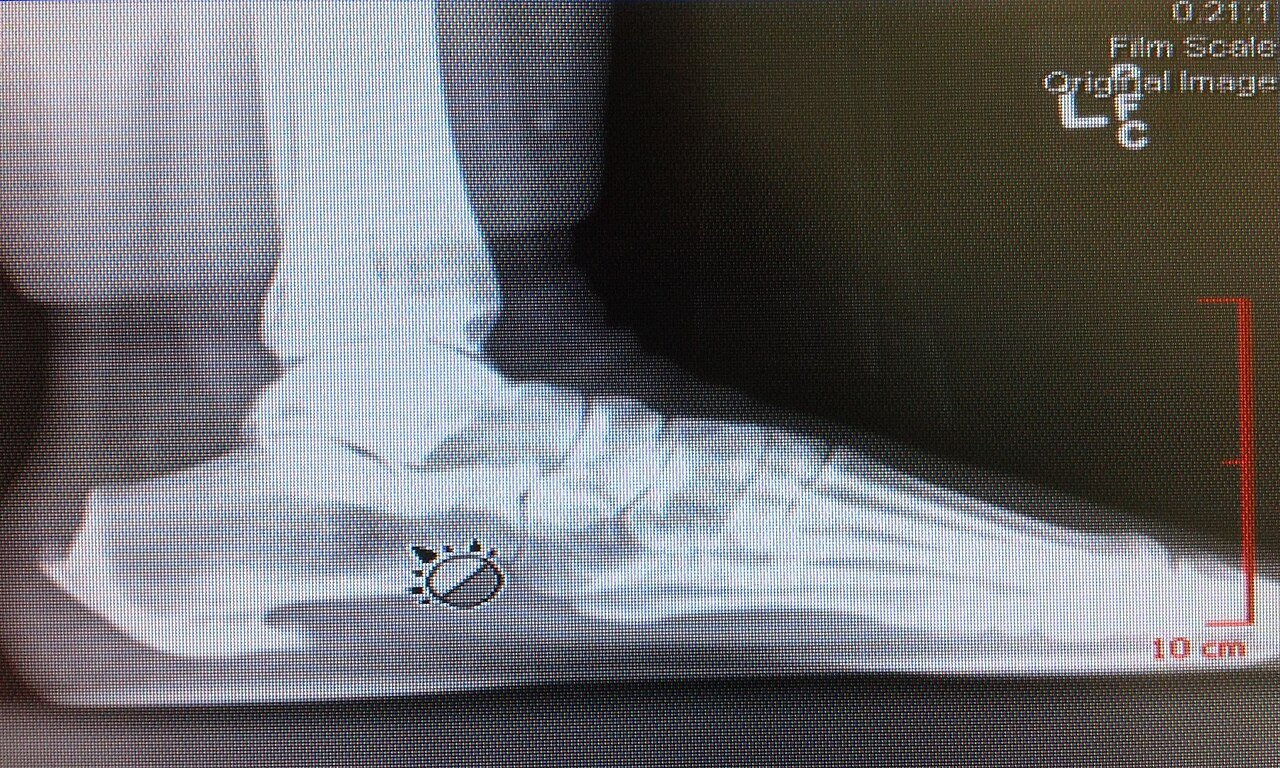
- Tendon attachment spurs: such as the heel spur under the heel and the spur at the end of the Achilles tendon.
- Growth spurs in children: osteochondroma, a different condition that starts at the growth plate.
What causes bone spurs?
- Ageing and osteoarthritis, by far the commonest cause.
- Excess weight, which loads the knee and foot.
- Tight, pointed or high-heeled shoes.
- Tight calf muscles and Achilles tendon.
- An old injury to the joint, cartilage or ligament.
- Inheritance, especially for multiple exostoses in children and for bunions.
Several causes often sit together. A woman in her fifties who carries extra weight and wears narrow shoes may develop knee arthritis and a bunion at the same time.
When do bone spurs hurt?
The spur itself is usually painless. The pain comes from what is around it:
- Shoes rubbing on the bump, so the skin reddens and the bursa underneath becomes inflamed.
- A spur pressing on a tendon, as in shoulder impingement from a spur under the acromion.
- A spur pressing on a nerve and causing numbness, as can happen in the spine.
- The arthritis that made the spur, so the pain and stiffness come from the arthritis, not the spur.
That is why we treat the source of pain we find on examination, not the X-ray picture.
Common sites of bone spurs
In the knee they are part of arthritis, covered in knee osteophytes. In the foot the best known is the bunion (hallux valgus). At the back of the heel there is Haglund’s deformity, and under the heel a spur often sits with heel spur and plantar fasciitis. In the shoulder, spurs form with shoulder arthritis.
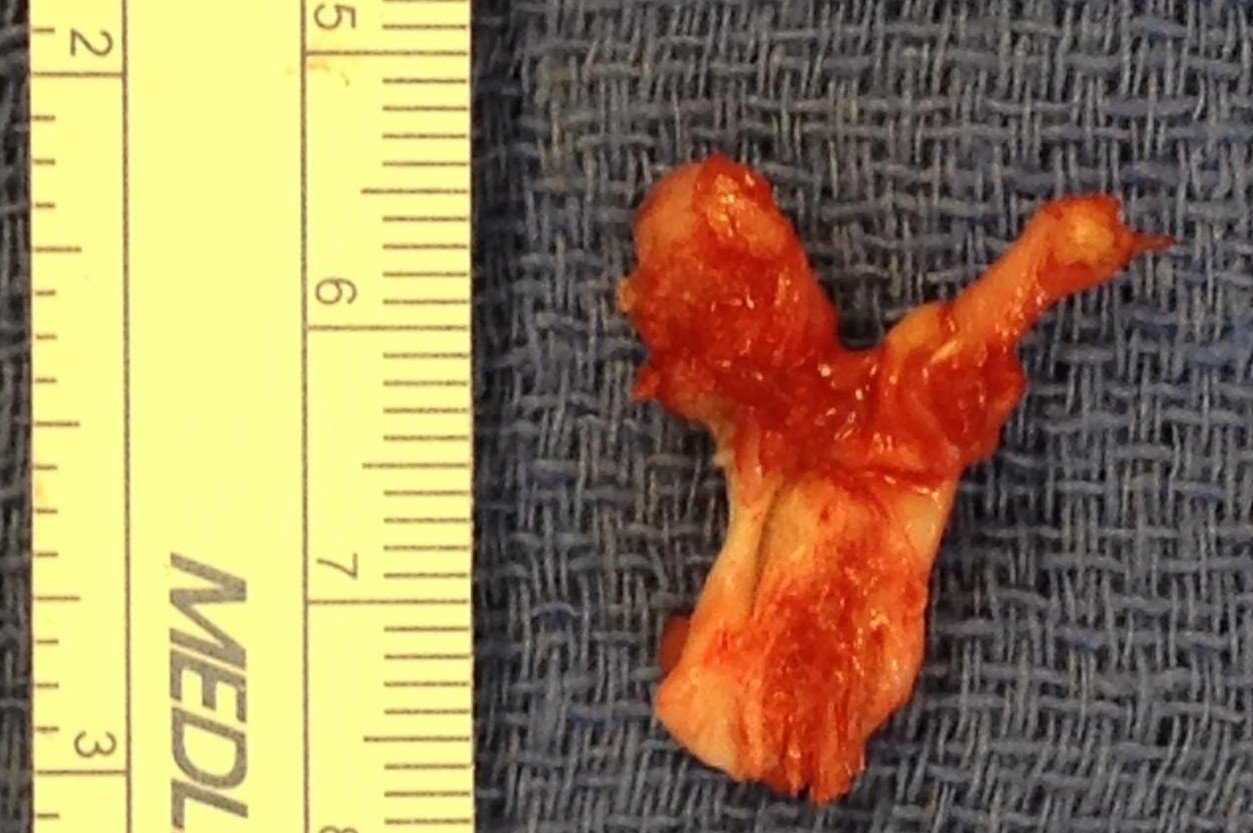
In children and teenagers the story is different: a hard lump near the knee or shoulder is usually an osteochondroma.
Key numbers to know
- In 895 adults aged 50 to 80, osteophytes were seen on knee MRI in 85% but on plain X-ray in only 10%, and larger osteophytes went with more pain and faster cartilage loss (Zhu et al., 2017).
- A heel spur under the heel was found in 89% of patients with plantar fasciitis versus 32% of people without it (Johal and Milner, 2012).
- A solitary osteochondroma is the most common benign bone tumour, making up 35 to 40% of benign bone tumours. The lifetime risk of it turning malignant is under 1% for a single lesion and about 10% in multiple hereditary exostoses (AAOS OrthoInfo).
- In a meta-analysis covering 496,957 people, hallux valgus was found in 23% of adults aged 18 to 65 and 35.7% of those over 65, in 30% of women and 13% of men (Nix et al., 2010).
| Site | Usual cause | First treatment |
|---|---|---|
| Knee and hip | Osteoarthritis | Exercise, weight loss and topical anti-inflammatories; joint replacement for advanced arthritis |
| Side of the foot at the big toe | Bunion (hallux valgus) | Wide shoes and pads; surgery if pain persists |
| Back of the heel | Haglund’s deformity and insertional Achilles tendinopathy | Shoe change, heel lift and tendon exercises |
| Under the heel | Plantar fasciitis | Fascia stretching and supportive shoes; surgery is rare |
| Near the knee or shoulder in a child | Osteochondroma | Observation; removal if it causes pain or pressure |
At Prof. Dr. Ibrahim Shaarawi’s clinics in Nasr City, Mohandeseen and New Cairo (5th Settlement) we first identify where the spur is and why it formed, because a knee spur is treated very differently from a foot or heel spur.
How are bone spurs diagnosed?
A plain X-ray is usually enough to see the spur and its cause. For the knee we take it standing to see the joint space, and the same applies to the foot and heel. We use MRI to assess a tendon or cartilage, or when a lump may not be an ordinary spur. MRI shows many small spurs that never appear on X-ray, and finding them is not a reason to treat.
Video: How to tell whether a cartilage tumour is benign or malignant
Treatment
No tablet or injection dissolves a bone spur. The aim is to ease pain and treat the cause:
- Shoes, weight and activity: the first step for the foot, heel and knee.
- Exercise and physiotherapy: to stretch tendons and strengthen muscles around the joint.
- Topical pain relief and joint injections: for flares; they do not remove the spur.
- Surgery: when pain persists despite treatment, a spur presses on a tendon or nerve, or the joint itself needs correcting.
Surgery rarely means removing the spur alone. A bunion needs the bone realigned, Haglund’s deformity often needs the tendon treated, and spurs in advanced knee arthritis come out with a knee replacement.
When to see a doctor
- Pain lasting weeks despite rest and a change of shoes.
- A hard lump that is growing, especially in a child or after growth has finished.
- Numbness or weakness in the limb.
- Trouble wearing shoes or walking.
- Repeated swelling or redness over a bump.
Frequently asked questions about bone spurs
Are bone spurs dangerous?
Most are harmless and need no treatment. They matter when they cause pain or press on a tendon or nerve, or when a lump keeps growing in a child or young adult.
Can medication or creams dissolve bone spurs?
No. Pain relievers and creams ease pain and inflammation around a spur but do not remove it.
Do bone spurs come back after removal?
They can if the cause remains, such as arthritis or tight shoes, so we treat the cause along with the spur.
What is the difference between a bone spur and a tumour?
A spur is extra bone made in response to arthritis or pressure. An osteochondroma in a child is a different benign growth that rarely turns malignant.
Does walking make bone spurs worse?
Regular walking is good for joints. Pain is made worse by poor shoes, extra weight and sudden heavy activity.
To have your foot, heel or knee checked by Prof. Dr. Ibrahim Shaarawi, book a consultation, call +20 155 240 4488 or message us on WhatsApp at +20 155 554 7181. Bring any previous X-rays with you.
Medically reviewed by Prof. Dr. Ibrahim Shaarawi, Professor of Orthopaedic Surgery. This article is general medical education and does not replace an examination or the plan your own doctor sets for you. See our medical disclaimer.
Related bone spur guides
Detailed guides for each type of bone spur:
- Osteochondroma
- Bunion (hallux valgus)
- Bunion treatment without surgery
- Haglund’s deformity
- Knee osteophytes
- Heel spur and plantar fasciitis
- Shoulder impingement
- Shoulder arthritis
References
- Zhu Z, et al. Association between MRI-detected osteophytes and changes in knee structures and pain in older adults: a cohort study. Osteoarthritis Cartilage. 2017;25(7):1084-1092.
- Johal KS, Milner SA. Plantar fasciitis and the calcaneal spur: Fact or fiction?. Foot Ankle Surg. 2012;18(1):39-41.
- American Academy of Orthopaedic Surgeons (OrthoInfo). Osteochondroma.
- Nix S, et al. Prevalence of hallux valgus in the general population: a systematic review and meta-analysis. J Foot Ankle Res. 2010;3:21.
- NHS. Osteoarthritis.