
Quick answer
Vitamin D “injections” are usually high-strength cholecalciferol (vitamin D3) ampoules such as 200,000 IU, and many can be taken by mouth or by intramuscular injection. They are not stronger than tablets — they are a tool for specific situations: malabsorption, difficulty taking tablets, or severe deficiency treated with a loading dose. For most people daily or weekly oral doses give steadier, safer levels, and an injection should not be repeated without a blood test.
✅ Last medically reviewed by Prof. Dr. Ibrahim Shaarawi, Professor of Orthopaedic Surgery, on 5 October 2026
Patients often ask for “one vitamin D injection to fix it all”. It is a fair question, but large, repeated doses can do more harm than good. This guide explains the options and when we choose each, as part of our guide to vitamin D deficiency.
What is in a vitamin D injection?
Most products contain vitamin D3 (cholecalciferol), the form the skin makes from sunlight; a systematic review found it raises blood levels more efficiently than vitamin D2. The ampoule is an oily solution, commonly 200,000 IU, which may be injected into muscle or swallowed according to the product leaflet and your doctor’s advice.

Types of vitamin D products
- Cholecalciferol 200,000 IU ampoules (for example Devarol-S in Egypt): used as a loading dose, orally or intramuscularly.
- 50,000 IU capsules or tablets: usually weekly for a set course.
- Daily tablets or capsules (1,000–5,000 IU) for treatment and maintenance.
- Drops for infants and children — see vitamin D for infants and children.
- Alfacalcidol or calcitriol (active forms): not ordinary substitutes — used in chronic kidney disease, hypoparathyroidism and other special situations.
Video: half of people take vitamin D the wrong way
Drink it or inject it?
Many oily vitamin D ampoules can be swallowed or injected. Swallowing works very well in people who absorb fat normally and avoids a painful injection. Intramuscular injection raises levels more slowly and less predictably and is mainly used in malabsorption or when swallowing is impossible. Always read the leaflet, as not every product is suitable for both routes.
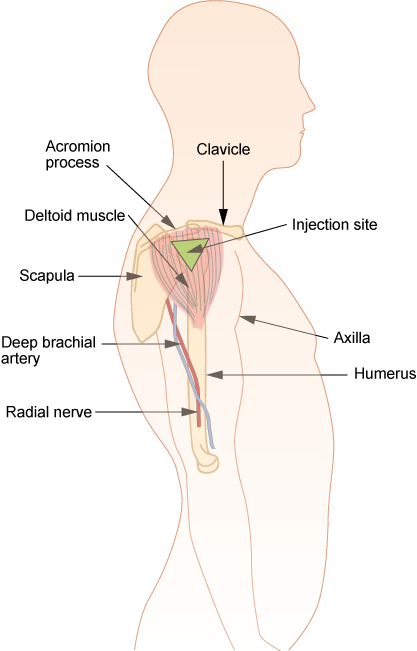
Injection or tablets: which is better?
| Daily tablets | 50,000 IU weekly | 200,000 IU ampoule | |
|---|---|---|---|
| Speed of rise | Gradual and steady | Moderate | Fast orally, slower intramuscularly |
| Best use | Maintenance and most deficiencies | Treating deficiency, usually for 8 weeks | Malabsorption or poor adherence |
| Risk of excess | Low | Low if the course is followed | Higher if repeated without testing |
| Follow-up | Test after about 3 months | Test after the course | Test before any repeat dose |
The 2024 Endocrine Society guideline favours moderate daily doses over large intermittent ones for people who need supplements. In a randomised trial in older women, a yearly oral dose of 500,000 IU increased falls and fractures, and a yearly large intramuscular injection did not reduce fractures in another trial. So we do not recommend a routine “injection every so often” for older people.
When is an injection the right choice?
- Malabsorption: after bariatric surgery (especially gastric bypass), coeliac disease, Crohn’s disease.
- Severe deficiency with symptoms such as osteomalacia, when your doctor chooses a loading dose.
- Difficulty taking tablets regularly.
- Before some osteoporosis treatments such as the 6-monthly osteoporosis injection (Prolia) when there is clear deficiency.
When not to have one
- Normal or high vitamin D levels.
- High blood or urine calcium, or recurrent kidney stones without assessment.
- Conditions such as sarcoidosis that over-activate vitamin D.
- Advanced kidney failure (active forms are usually needed under a nephrologist).
- Pregnancy and breastfeeding without your doctor’s advice.
Key numbers to know
- In a study of Egyptian women of childbearing age, 43% were vitamin D deficient and 13% insufficient; only 44% had normal levels (Gerges et al., 2021).
- The Endocrine Society (2024) suggests vitamin D supplements for children aged 1–18 to prevent rickets, for adults over 75, and during pregnancy (Demay et al., Endocrine Society 2024).
- In the VITAL trial of 25,871 people followed for 5.3 years, vitamin D alone did not reduce fractures in people without deficiency or osteoporosis (LeBoff et al., NEJM 2022).
| Treatment | When we use it | Notes |
|---|---|---|
| Daily or weekly oral vitamin D3 | Mild deficiency or prevention | The safest and most reliable way to raise levels |
| A treatment course for a set period | Clear deficiency on the blood test | Your doctor sets the dose and repeats the test after 8–12 weeks |
| Vitamin D injection | Malabsorption or difficulty taking tablets | Not routinely given to older adults without a reason |
| Treating the cause | Malabsorption, obesity surgery, medicines affecting vitamin D | Prevents the deficiency returning |
At Prof. Dr. Ibrahim Shaarawi’s clinics in Nasr City, Mohandeseen and New Cairo (5th Settlement) we review your vitamin D, calcium and bone density results and examine the cause of pain or fracture before deciding on the right dose or osteoporosis treatment.
Usual doses and follow-up
A common adult regimen from the 2011 Endocrine Society guideline is 50,000 IU weekly for 8 weeks or 6,000 IU daily, then 1,500–2,000 IU daily maintenance for those at risk. A large ampoule is given once or twice depending on the level. Recheck after about 3 months and do not repeat an injection before seeing the result. The usual long-term daily upper limit for adults is 4,000 IU unless advised otherwise.
Side effects
- Pain or swelling at the injection site.
- Nausea or stomach upset when drinking the ampoule.
- Vitamin D excess and high calcium with repeated large doses: thirst, frequent urination, nausea, constipation, fatigue, kidney stones or kidney injury.
- Interactions with thiazide diuretics and digoxin.
Frequently asked questions about vitamin D injections
What are the common vitamin D injections in Egypt?
Cholecalciferol 200,000 IU ampoules such as Devarol-S are the most common; many can be taken orally or intramuscularly according to the leaflet. The strength matters more than the brand.
Is a vitamin D injection better than tablets?
Not for everyone. Daily or weekly tablets are effective and give steadier levels; injections help in malabsorption, poor adherence or when a loading dose is chosen.
Can I drink a vitamin D ampoule?
Yes, many oily ampoules can be swallowed and work well if you absorb normally. Check the leaflet because some are for injection only.
How often can I have a vitamin D injection?
There is no fixed schedule; it depends on your blood level. Do not repeat it without a test, and after correction a moderate daily maintenance dose is usually preferred.
When should I retest after a vitamin D injection?
Usually about 3 months after starting treatment, and before considering any further large dose.
To have your bones assessed and your tests reviewed, book a consultation, call +20 155 240 4488 or message us on WhatsApp at +20 155 554 7181.
Medically reviewed by Prof. Dr. Ibrahim Shaarawi, Professor of Orthopaedic Surgery. This article is general medical education and does not replace an examination or the treatment plan your doctor sets for you. See our medical disclaimer.
Related vitamin D and bone health guides
Related guides in our vitamin D and bone health series:
- Vitamin D deficiency
- Vitamin D deficiency and bone and joint pain
- Osteomalacia
- Rickets in children
- Calcium injections for bones
- Vitamin D for infants and children
- The best vitamins for bones and joints
- Osteoporosis
References
- Holick MF, et al. Evaluation, treatment, and prevention of vitamin D deficiency: an Endocrine Society clinical practice guideline. J Clin Endocrinol Metab. 2011;96(7):1911-30.
- Demay MB, et al. Vitamin D for the Prevention of Disease: An Endocrine Society Clinical Practice Guideline. J Clin Endocrinol Metab. 2024;109(8):1907-1947.
- Tripkovic L, et al. Comparison of vitamin D2 and vitamin D3 supplementation in raising serum 25-hydroxyvitamin D status: a systematic review and meta-analysis. Am J Clin Nutr. 2012;95(6):1357-64.
- Sanders KM, et al. Annual high-dose oral vitamin D and falls and fractures in older women: a randomized controlled trial. JAMA. 2010;303(18):1815-22.
- Smith H, et al. Effect of annual intramuscular vitamin D on fracture risk in elderly men and women: a population-based, randomized, double-blind, placebo-controlled trial. Rheumatology (Oxford). 2007;46(12):1852-7.
- NIH Office of Dietary Supplements. Vitamin D — Fact Sheet for Health Professionals.