
Inflammation and swelling following injuries or surgeries are among the most common complaints addressed by Prof. Dr. Ibrahim Shaarawi in his orthopedic and joint surgery practice. Ambezim tablets remain a cornerstone treatment for these conditions. This guide explores everything you need to know about this medication.
1. Ambezim-G Indications for Use
Ambezim contains proteolytic enzymes (Trypsin and Chymotrypsin) that break down inflammatory proteins. Its main indications include:
- Edema and Swelling: Especially post-orthopedic and joint surgeries.
- Sports Injuries: Such as bruises, sprains, and muscle tears.
- Inflammatory Joint Diseases: As a supplementary treatment to reduce periarticular swelling.
- Respiratory Tract Infections: To help liquefy viscous mucous secretions.
- Dental and Gingival Inflammation: To reduce swelling after tooth extractions or oral surgery.
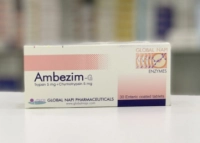
2. Ambezim Tablets Dosage
Dr. Ibrahim Shaarawi explains that the ideal dosage depends on the severity of the case, but the standard adult dose is:
- Standard Dose: 2 tablets two or three times daily.
- Severe Cases: The physician may increase the initial dose to control acute swelling.
- Caution: Tablets must be swallowed whole without chewing or crushing to preserve the enteric coating.
3. Side Effects of Ambezim Tablets
While generally safe, some patients may experience:
- Mild gastrointestinal disturbances.
- Changes in stool color or odor.
- Rare allergic reactions (rash or itching).
- Nausea or vomiting.
4. Is Ambezim Used for Neuritis (Nerve Inflammation)?
A frequent question in the orthopedic clinic; the answer is that Ambezim is not a direct treatment for nerve inflammation. It works by reducing the “pressure” caused by swelling around the nerve (as in herniated discs), which may provide some relief, but it doesn’t repair the nerve itself like Vitamin B complex does.
5. Effect of Ambezim on the Stomach
Ambezim tablets are enteric-coated, meaning they pass through the stomach and dissolve in the intestine. However:
- Some patients may experience mild heartburn.
- It is not recommended for patients with active peptic ulcers without consulting an orthopedic doctor.
6. Should Ambezim be taken Before or After Food?
This is the “Golden Rule” for efficacy: Ambezim must be taken 1 hour before meals or 2 hours after meals.
- The Reason: If taken with food, the enzymes will digest dietary proteins instead of targeting the inflammation in your body, rendering the drug ineffective.
الأسئلة الشائعة حول أمبيزيم (FAQ)
Not recommended during pregnancy unless absolutely necessary and under full medical supervision.
No, it must be swallowed whole to protect the enzymes from stomach acids.
Reduction of swelling usually begins within 24-48 hours of consistent, correct dosing.
Preferably avoided during breastfeeding or used for very short periods under medical advice.
No, it is often prescribed alongside them to enhance recovery.
بناءً على بروتوكولات عيادة د. إبراهيم شعراوي
7. Ambezim Tablets Price
Prices vary slightly based on regional health ministry updates:
- In Egypt: A pack (30 tablets) costs approximately 102 EGP.
- In the Gulf Region: Available under the same name or alternatives for 15 to 25 SAR/AED.
Comparison: Ambezim vs. Alphintern (H3)
Dr. Shaarawi notes that both medications are nearly identical in composition (Trypsin + Chymotrypsin). The choice is often based on local availability; clinical outcomes remain the same.
Ambezim in Post-Orthopedic Surgery Recovery (H3)
Ambezim is essential in protocols following joint replacement or knee arthroscopy, as it accelerates the absorption of hematomas and synovial effusions.
Comparison Table: Alternatives
| Brand Name | Active Ingredient | Primary Use |
| Ambezim-G | Trypsin + Chymotrypsin | Anti-edematous |
| Alphintern | Trypsin + Chymotrypsin | Most common alternative |
| Newbezim | Trypsin + Chymotrypsin | Effective local alternative |
Medical Disclaimer: This content is for educational purposes based on Prof. Dr. Ibrahim Shaarawi’s expertise. Always consult your doctor before starting any medication.