
The Steps to Recovery from Anterior Cruciate Ligament (ACL) Surgery
The recovery process following an Anterior Cruciate Ligament (ACL) reconstruction surgery involves a set of important procedures. First, patients must get adequate rest, especially immediately after the operation, and strictly follow the rehabilitation plan recommended by their orthopedic and joint doctor. It is essential to perform the prescribed exercises to strengthen the muscles surrounding the knee and enhance flexibility. These exercises focus on improving balance and strength, which helps reduce the risk of future injuries and helps for ACL Surgery Recovery.
ACL reconstruction is a common surgical procedure performed to treat knee injuries. After undergoing this surgery, patients face a crucial recovery phase that requires following specific instructions to ensure proper healing and enhance their ability to return to daily activities.
Patients may have several important questions after an ACL surgery. For example: How long is the recovery period? When can I walk after ACL surgery? What is the correct sleeping position? Can I engage in marital/sexual relations after the surgery? All these questions and more will be answered in detail in this article.
The Appearance of the Knee After ACL Surgery
After an ACL surgery, noticeable changes may occur to the appearance of the knee. Usually, the patient experiences swelling post-surgery, which is a normal symptom resulting from surgical intervention. The severity of the swelling can vary, as it affects each patient differently depending on the nature of the surgery and whether knee arthroscopy was used. It is vital to use ice and rest to reduce this swelling in the days following the operation.
In addition to swelling, the patient may also notice a change in the joint’s range of motion. Initially, they may face challenges in fully bending or extending the knee. During the first days and weeks following surgery, light exercises are recommended to improve flexibility and restore knee function. These exercises play a crucial role in shortening the recovery time.
Visually, surgical marks, such as scars, may be visible on the skin around the knee area. The appearance of these scars depends on the surgical technique used—whether the ACL was reconstructed using an arthroscope—and how well the patient cares for the wound during the healing phase. If an arthroscope was used, the incisions are minor and small, while other cases may require more care to avoid additional complications. Generally, most patients feel a significant improvement in the shape and function of their knee when they follow the appropriate rehabilitation program post-surgery.
The Correct Sleeping Position After ACL Surgery
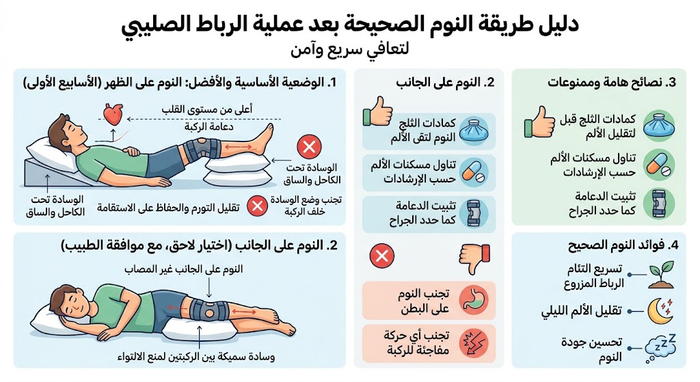
After ACL surgery, it is essential to follow certain guidelines for safe and comfortable sleep. Sleeping correctly can significantly contribute to reducing the recovery time, allowing patients to heal faster and achieve better results. It is important to choose sleeping positions that provide maximum comfort and alleviate any discomfort stemming from the surgery.
It is highly recommended that patients sleep on their back during the first few days after the operation, as this position helps reduce pressure on the injured knee. A pillow can also be placed under the affected leg to provide extra support and comfort, especially during the first week. Avoid sleeping on the side where the surgery was performed, as this may exacerbate the pain or hinder movement recovery. If there is any continuous pressure or pain, the sleeping position should be adjusted to avoid additional strain.
Additional pillows can be used to better support the body. Placing two or more pillows under the knee and heel creates comfortable angles, helping to distribute weight evenly and reduce post-operative swelling, which in turn improves the knee’s appearance after surgery. This also contributes to pain reduction during the healing period. Furthermore, it is advised to avoid sleeping in positions that cause the knee to bend or place excess weight on it, as this impedes recovery.
If there is any fear or anxiety about difficulty sleeping, do not hesitate to consult a sports injuries specialist doctor for additional recommendations. Use prescribed pain relief medications before bedtime if necessary, which can improve sleep quality and provide a more comfortable environment.
How Long Does Pain Last After ACL Surgery?
The duration of pain after ACL surgery is an important question for patients prior to the procedure, as it varies among individuals based on several factors. Typically, patients experience clear, noticeable pain during the first 3 days post-surgery. This pain can be a result of the surgical intervention itself, as well as the body beginning its healing process. Most patients are usually able to manage this pain using painkillers recommended by the best orthopedic doctor in Egypt.
Factors that make pain levels vary from one patient to another:
- Race: Patients of African descent typically tolerate pain more than white patients.
- Prior medication use: Any previous use of narcotic or pain-relieving medications can increase the severity of postoperative pain.
- Surgical technique: Performing the surgery arthroscopically usually results in smaller incisions and less pain.
Factors influencing pain duration also include the patient’s general health, age, and the specific type of surgery performed. For instance, individuals with various health conditions, such as obesity or chronic diseases, may need more time to recover and might experience more intense pain. On the other hand, younger patients usually recover faster and feel less pain due to their natural healing capacity.
To manage post-operative pain, patients can use multiple techniques alongside medications, such as ice packs and minimizing movement in the initial days. Doctors usually encourage patients to start a gradual rehabilitation program one to two weeks after surgery to improve mobility and reduce pain. Moderate exercise is of utmost importance in promoting recovery from ACL surgery, as it helps restore knee function and muscle strength.
Generally, the moderate-to-acute pain phase lasts for about two to three weeks, after which the pain begins to fade as the healing process progresses. It is important for patients to maintain communication with their doctors, as professional medical assistance can effectively help manage pain.
Recovery Duration from ACL Surgery
One of the most frequently asked questions by patients is regarding the recovery duration from ACL surgery. This timeframe varies based on several factors, such as the patient’s overall condition, the type of surgery, the presence of other injuries (like meniscus tears) alongside the ACL tear, and the patient’s commitment to physical therapy. Full recovery typically takes 6 to 12 months. This period begins with the initial recovery phase, which lasts for one to two weeks after the surgery.
During the second week, most daily activities are permitted to a limited extent, but strenuous activities must be avoided. Recovery progresses over time, with the patient able to regain some strength and flexibility within a month. At this stage, focusing on the fundamental aspects of physical therapy is recommended to promote proper healing.
After 6 weeks, most patients can begin more challenging exercises, but it is critical to avoid any activity that might place excessive stress on the knee. The final stage of recovery comes when the individual can return to full athletic activities, which takes up to 6 to 12 months depending on their condition. Staying in regular contact with the best ACL doctor in Egypt and following their advice regarding physical therapy and appropriate pain management are essential for ensuring a proper recovery.

Can a Patient with an ACL Injury Walk?
ACL reconstruction is a common surgical procedure performed to treat cruciate ligaments that have been torn or damaged. After this surgery, many patients wonder about their ability to walk and resume normal activities. It is important to know that the ability to walk post-surgery depends on several factors, including the severity of the injury, the individual’s overall health, and the rehabilitation plan being followed.
In the days and weeks following the surgery, it is usually recommended to minimize weight-bearing on the affected leg and use crutches to assist with mobility. Initially, movement will be limited to reduce any pressure that could exacerbate the injury. The focus in the early stages is on improving the range of motion and reducing swelling, with light exercises such as flexion and extension starting under the supervision of a specialist. These exercises play a crucial role in restoring the ability to walk.
After the first few weeks, the patient can begin to regain greater mobility. They can start practicing simpler activities aimed at building strength and flexibility. Over time, the patient will be able to walk more naturally. It is imperative to adhere to all guidelines issued by doctors and therapists to ensure the recovery process is correct and safe.
Restoring the ability to walk requires patience and determination, as many patients can fully return to their daily activities after a period of healing and rehabilitation. Continuous consultation with healthcare teams is necessary to ensure full recovery and a safe return to an active life.
When Can I Walk After ACL Surgery?
Once the ACL surgery is completed, many patients begin to wonder when they can return to walking. This is a complex question; walking is often possible immediately after the surgery, but with the use of crutches or a knee brace. However, if your question is about when you can return to normal walking, this usually takes about two to three months post-surgery. Healing times vary among individuals based on several factors, including age, physical activity level, and commitment to rehabilitation.
Post-surgery, there is usually a rest period of 1 to 2 weeks. This period is necessary to allow the body to heal from the acute effects of the operation. During this phase, patients are advised to avoid placing excess weight on the treated leg and to apply ice to reduce swelling. It is also crucial to adhere to recommended physical therapy, which enables the person to improve the flexibility and movement of the knee.
After the first two weeks, as the patient’s condition improves, doctors may start recommending light walking using crutches or braces to relieve pressure on the knee. Most individuals can drive a car and return to normal daily activities 4 to 6 weeks after surgery, but walking should remain light and monitored. It is essential to listen to your body and not prematurely engage in situations that require full knee strength.
Generally, most patients return to walking independently within 10 weeks of ACL surgery, but they must continue enhancing their strength and flexibility through appropriate exercises, which facilitates the healing process and boosts their return to routine life activities.
Marital (Sexual) Relations After ACL Surgery
Many marital relationships experience changes after one partner undergoes ACL surgery, as the procedure can noticeably impact sexual life and psychological well-being. ACL surgery, although aimed at improving mobility and restoring the ability to perform daily activities, has consequences that both partners must navigate together.
Abstaining from any physical effort, including sexual intercourse, is mandatory for 4 weeks post-surgery. You can return to sexual relations after 4 weeks of the ACL reconstruction, provided you adhere strictly to the doctor’s movement instructions for at least the first 3 months following the operation.
First, both partners need to understand that the recovery period may take time, and the partner who underwent surgery might feel stressed or anxious about their body’s reactions. Therefore, providing emotional support is vital to foster understanding and harmony. This could include sharing thoughts or concerns about the recovery period or discussing any feelings triggered by the new physical limitations.
Furthermore, sexual life may require adjustments, as post-operative pain or discomfort can affect sexual desire. Couples are advised to discuss these changes openly and explore alternatives that allow them to maintain intimacy. Establishing new boundaries and being patient can help couples overcome any temporary obstacles.
Some couples who have gone through ACL recovery noted that this period was an opportunity to strengthen their relationship by focusing on communication and sharing. Ultimately, mutual knowledge and respect can contribute to a successful recovery while ensuring safety and stability in the marital relationship.
Appropriate Exercises After ACL Surgery
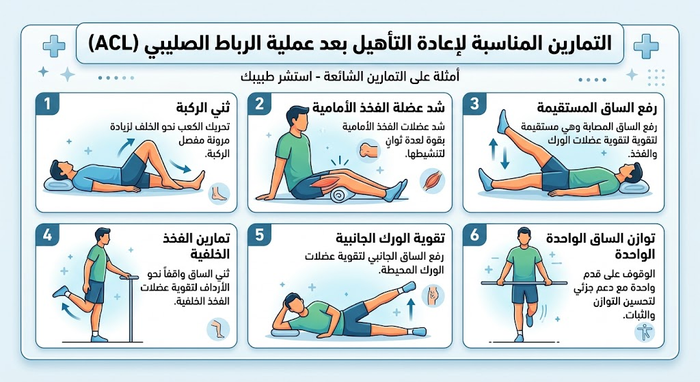
After undergoing ACL surgery, recovery is a vital part of returning to normal activities. Appropriate exercises play a foundational role in restoring strength and flexibility to the knee, accelerating the healing process. These exercises should begin according to the guidelines of your doctor or physical therapist, who can determine the most suitable plan based on your individual condition.
Exercises typically start with simple movements to enhance joint mobility and reduce stiffness. Light exercises like stretching can help improve flexibility and increase the range of motion. Afterward, you can progress to exercises that strengthen the muscles surrounding the knee, such as leg exercises targeting the quadriceps and calves to better support the joint.
As the patient progresses in the recovery phase, physical performance exercises like walking and riding a stationary bike can be incorporated. These activities are essential for reducing swelling and stimulating blood circulation, which promotes healing. It is also important to focus on balance and stability training, as strong balance plays a critical role in knee stability post-surgery. (You can read more about this topic here).
Moreover, adhering to a training schedule can help patients incorporate exercises into their daily routine, boosting the chances of a faster recovery. It is vital not to rush and to strictly follow the specialist’s instructions to avoid any complications that could negatively affect the recovery period. Ultimately, exercises play a pivotal role in reducing pain and improving the quality of life after ACL surgery.
Frequently Asked Questions: ACL Surgery Recovery
An authoritative clinical roadmap covering rehabilitation phases, weight-bearing milestones, graft vulnerability, and objective return-to-sport benchmarks.
How long does full recovery take after ACL reconstruction surgery?
Recovery is best viewed through two distinct milestones:
• Functional Recovery (Daily Living): Resuming office work, normal walking, and low-impact daily routines usually occurs within 4 to 8 weeks.
• Biological & High-Demand Athletic Recovery: Full biological incorporation of the graft and neuromuscular readiness requires 9 to 12 months. Large prospective cohort studies demonstrate that every month return to pivoting sports is delayed beyond 6 months—up to 9 months—reduces the secondary injury risk by roughly 50%.
When can I stop using crutches and bear full weight after ACL surgery?
In isolated ACL reconstructions, progressive weight-bearing begins within days. Patients transition off crutches between weeks 2 and 4 once they fulfill three objective clinical criteria:
1. Symmetrical full passive extension (0°).
2. Ability to perform an active straight leg raise without quadriceps lag.
3. Ability to walk across a flat surface with a normal, non-antalgic gait.
Note: If you underwent a concomitant meniscal repair (especially a root or radial repair), weight-bearing on crutches is typically restricted for 4 to 6 weeks to protect the sutures.
Why is achieving full extension (0°) the top priority in early rehabilitation?
Achieving terminal extension matching the uninjured knee within the first 14 days is essential. A failure to restore early extension leads to persistent limping, excessive compressive loads across the patellofemoral joint, persistent quadriceps inhibition, and the formation of anterior scar tissue known as a cyclops lesion. Flexion can be regained progressively (aiming for 90° by week 2 and 120° by week 6), but lost extension becomes increasingly difficult to correct after the first month.
What are the primary phases of post-operative ACL rehabilitation?
Physiotherapy progresses through 4 structured, criteria-driven phases:
• Phase 1 (Weeks 1–4): Post-operative swelling reduction, passive extension recovery, patellar mobility, and isometric quadriceps/hamstring firing.
• Phase 2 (Weeks 5–12): Full flexion restoration, stationary cycling, closed-kinetic-chain strength work (leg press, squats, step-downs), and balance training.
• Phase 3 (Months 3–6): Straight-line running reintroduction, progressive heavy resistance training, and linear plyometrics.
• Phase 4 (Months 6–9+): Multi-directional agility drills, cutting mechanics, reactive neuromuscular training, and return-to-sport testing.
What is graft ligamentization, and why is the knee vulnerable between months 3 and 6?
The harvested tendon autograft undergoes a biological transformation inside the joint called ligamentization (incorporating avascular necrosis, cellular proliferation, revascularization, and collagen remodeling). The graft is mechanically at its weakest between months 3 and 5. Because joint pain and swelling have usually resolved by this time, patients often experience a false sense of security. Engaging in premature pivoting or deceleration during this vulnerable biological window can stretch or rupture the healing graft.
How long will swelling and post-operative pain persist?
Acute surgical pain typically tapers off within the first 10 to 14 days. Intra-articular joint swelling significantly improves by week 6. However, trace or mild effusion is common up to 6 months post-operatively, often flaring after new milestones like starting running or heavy gym workouts. Using cryotherapy, compression sleeves, and adhering to strict exercise load management helps minimize persistent effusion.
When is it safe to drive a car after ACL reconstruction?
Driving safety depends on which leg was operated on and the car transmission type:
• Left Knee (Automatic Transmission): Patients can typically resume driving within 1 to 2 weeks once they have fully discontinued narcotic pain medications.
• Right Knee (or Manual Transmission): Driving is restricted for 4 to 6 weeks. Simulator studies demonstrate that emergency braking reaction time remains impaired until sufficient quadriceps strength and rapid neuromuscular firing are restored.
When can I begin straight-line jogging after ACL surgery?
Jogging is typically initiated between months 3 and 4, but only after passing clinical clearance criteria:
• Complete absence of knee joint effusion.
• Symmetrical full range of motion.
• Normal pain-free walking mechanics.
• Quadriceps strength on isokinetic or hand-held dynamometry reaching ≥ 70% to 80% of the uninjured limb.
• Ability to execute 20 single-leg calf raises and 10 single-leg squats with proper alignment.
What warning signs or red flags require immediate contact with the surgical team?
Contact your orthopaedic care team immediately if you notice:
• Persistent oral fever above 38°C (100.4°F) or rigors.
• Spreading redness, skin warmth, or purulent fluid leaking from arthroscopy portal wounds.
• Progressive, localized pain in the calf muscle, accompanied by swelling in the ankle/foot (concerning for deep vein thrombosis).
• An unexpected twist or popping sound followed by sudden pain, swelling, and renewed instability.
What objective criteria determine clearance for full return to sports?
Modern sports orthopaedics utilizes a multi-factorial criteria battery for return-to-sport clearance:
1. Chronological Time: Minimum 9 to 12 months post-surgery.
2. Strength Symmetry: Limb Symmetry Index (LSI) of ≥ 90% on isokinetic testing of both quadriceps and hamstrings.
3. Hop Testing: ≥ 90% symmetry on single hop for distance, triple hop, crossover hop, and 6-meter timed hop tests.
4. Movement Quality: Normal landing mechanics during jump tests without dynamic knee valgus collapse.
5. Psychological Readiness: A passing score on the ACL-RSI questionnaire to confirm absence of kinesiophobia.
References
AAOS OrthoInfo. Anterior Cruciate Ligament (ACL) Injuries. American Academy of Orthopaedic Surgeons. 2023. متاح على: orthoinfo.aaos.org- Mayo Clinic Staff. ACL injury – Diagnosis and treatment. Mayo Clinic. 2023. متاح على: mayoclinic.org
- Hospital for Special Surgery (HSS). ACL Reconstruction Recovery: What to Expect. 2023. متاح على: hss.edu
- Cleveland Clinic. ACL Injury: Types, Causes, Symptoms & Treatment. 2023. متاح على: my.clevelandclinic.org
- Logerstedt DS, et al. Knee stability and movement coordination impairments: knee ligament sprain. Journal of Orthopaedic & Sports Physical Therapy. 2010;40(4):A1–A37. DOI: 10.2519/jospt.2010.0303
- Myer GD, et al. Rehabilitation after ACL reconstruction: criteria-based progression to return to sport. Journal of Orthopaedic & Sports Physical Therapy. 2006;36(6):385–402. DOI: 10.2519/jospt.2006.2222
- van Melick N, et al. Evidence-based clinical practice update: Practice guidelines for anterior cruciate ligament rehabilitation based on a systematic review and multidisciplinary consensus. British Journal of Sports Medicine. 2016;50(24):1506–1515. DOI: 10.1136/bjsports-2015-095898
- Medscape. Anterior Cruciate Ligament Injury Rehabilitation. 2024. متاح على: emedicine.medscape.com