
Extra-articular tenodesis, also called lateral extra-articular tenodesis (LET), is a surgical technique added alongside standard ACL reconstruction (ACLR) to control rotational instability that the ACL graft alone cannot fully resolve. A 2020 randomized controlled trial found it nearly halved the two-year graft re-rupture rate. Dr. Ibrahim Shaarawi, orthopedic surgeon in Cairo, explains who actually needs it and what the evidence shows.
Key Takeaways
- LET is an addition to ACL reconstruction, not a replacement for it — it reinforces rotational stability on the outer (lateral) side of the knee.
- In the STABILITY 1 trial, adding LET cut two-year graft re-rupture from 11% to 4.5% (Getgood et al., AJSM, 2020).
- It’s mainly recommended for patients under 25, competitive pivoting-sport athletes, revision ACL surgery, high-grade pivot-shift instability, or generalized ligament laxity — not for every ACL patient.
- Reported complication rates are low: about 4.2% overall across techniques, mostly minor issues like hardware irritation or a small hematoma at the incision site.
What Is Lateral Extra-Articular Tenodesis (LET)?
Lateral extra-articular tenodesis is a soft-tissue reinforcement performed on the outside of the knee, alongside — never instead of — a standard ACL graft. The surgeon takes a narrow strip of the iliotibial band (ITB, the thick band of tissue running down the outer thigh) and re-routes it from the lateral femoral epicondyle down to the upper tibia, tensioning it to resist the knee’s tendency to rotate and “give way” during pivoting movements. This is commonly known as the modified Lemaire technique, the most widely used LET method today.
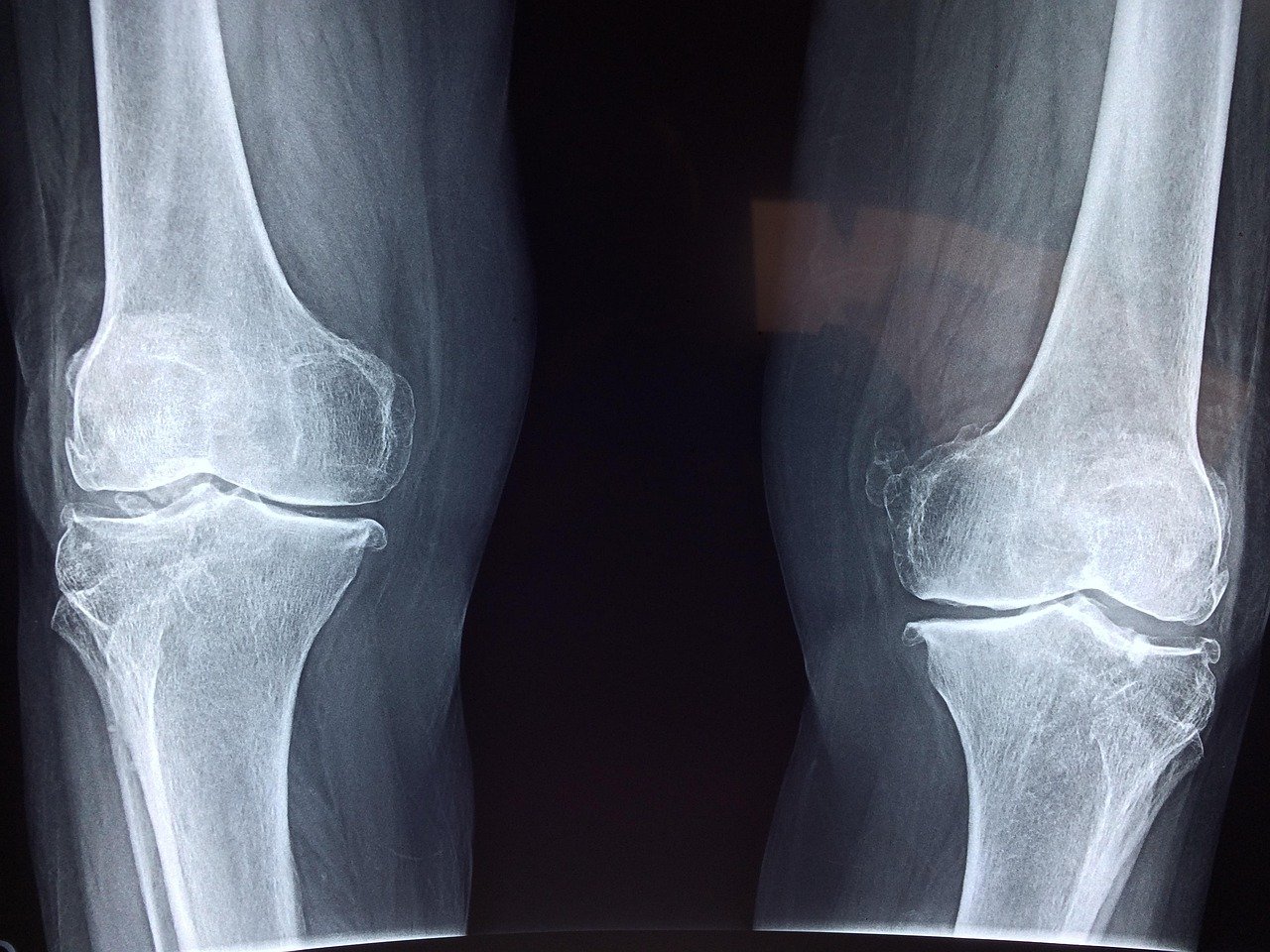
The reason this matters: the ACL primarily resists the tibia sliding forward under the femur, but it isn’t the knee’s only rotational stabilizer. The anterolateral structures of the knee — including the anterolateral ligament and the deep layer of the ITB — help control internal rotation of the tibia during a pivot. When these structures are also injured (common in high-energy ACL tears), an ACL graft alone may leave the knee with residual rotational laxity, felt by patients as the knee “shifting” or feeling untrustworthy when cutting or pivoting, even after a technically successful reconstruction.
Why Isn’t ACL Reconstruction Alone Always Enough?
Even with a well-placed, well-tensioned ACL graft, a meaningful share of patients retain some degree of positive pivot-shift — the clinical test surgeons use to detect rotational instability. Published estimates for residual pivot-shift after isolated ACL reconstruction range roughly from 8% to 33%, depending on surgical technique, graft type, and how it’s measured (Kawanishi et al., Orthopaedic Journal of Sports Medicine, 2024, citing prior cohort studies). Risk factors linked to residual rotational laxity include younger age, high preoperative pivot-shift grade, and concomitant meniscal ramp lesions.
Persistent rotational laxity isn’t just uncomfortable — the same 2024 review notes it’s associated in the literature with worse patient-reported outcomes, a higher risk of re-injury, and faster progression of knee osteoarthritis over time (Kawanishi et al., 2024). This is the specific problem LET is designed to address: not the graft’s strength itself, but the rotational control the graft alone can’t fully restore in higher-risk knees.
The strongest evidence for LET’s benefit comes from the STABILITY 1 trial, a multicenter randomized controlled trial of 618 patients aged 14–25 undergoing hamstring-graft ACL reconstruction. At two years, patients randomized to ACLR + LET had a graft re-rupture rate of 4.5%, versus 11% for ACLR alone — roughly a 60% relative risk reduction. A broader “clinical failure” measure (re-rupture plus persistent rotational laxity) was 25% with LET added, versus 40% without (Getgood et al., American Journal of Sports Medicine, 2020, retrieved 2026-09-24).
| Outcome at 2 years | ACLR alone | ACLR + LET |
|---|---|---|
| Graft re-rupture | 11% | 4.5% |
| Composite clinical failure (re-rupture + persistent laxity) | 40% | 25% |
Who Actually Needs Combined ACLR + LET?
LET is not recommended for every ACL reconstruction — it’s an added procedure with its own operative time, incision, and (small) risk profile, so it’s targeted at patients most likely to benefit. Based on the 2025 International Consensus Statement on lateral extra-articular procedures (Saithna, Sonnery-Cottet, et al., Arthroscopy, 2025) and the trial population above, the clearest candidates are:
- Age under 25 at the time of surgery — younger patients have both higher graft-failure rates and a longer runway of high-demand activity ahead.
- Competitive pivoting-sport athletes — football (soccer), handball, basketball, rugby, and similar sports that require rapid deceleration and directional change.
- High-grade pivot-shift on preoperative or intraoperative exam — a marker of more severe anterolateral injury at the time of the original tear.
- Revision ACL surgery — patients who have already re-torn a previous graft. In a 2020 ISAKOS/ESSKA congress-reported dataset of revision surgery with high-grade instability (n=73), adding lateral tenodesis reduced failure from 21% to 5% (p=0.045) — a smaller, non-peer-reviewed dataset rather than a large trial, so it should be read as supportive rather than definitive.
- Generalized ligamentous laxity (hypermobility) — patients whose connective tissue is inherently looser are more prone to residual rotational instability after a graft alone.
Patients outside these groups — for example, an older recreational athlete with a low-grade pivot-shift and no revision history — typically do well with a well-executed ACL reconstruction alone, without the added procedure.
How Is the Procedure Performed?
LET is performed in the same operative session as the ACL reconstruction, adding roughly 15–20 minutes to total surgical time. Through a small incision over the outer aspect of the knee, the surgeon harvests a strip of the iliotibial band (roughly 1 cm wide, left attached at its natural insertion point near Gerdy’s tubercle on the tibia). This strip is passed deep to the lateral collateral ligament, anchored near the lateral femoral epicondyle at a point that keeps tension isometric through the knee’s range of motion, and secured back down to the tibia under controlled tension with the knee flexed and the tibia held in slight external rotation.
Done correctly, the reconstructed ACL graft still provides the primary restraint against forward tibial translation, while the LET acts as a secondary “checkrein” specifically against rotational subluxation — the two work together rather than one substituting for the other.
Recovery and Rehabilitation Timeline
Rehabilitation after combined ACLR + LET broadly follows the same phased protocol as isolated ACL reconstruction — protected weight-bearing and range-of-motion work in the first 2–4 weeks, progressive strengthening from around 6–12 weeks, and a structured return-to-running and agility program from approximately 4–5 months. Because the LET graft needs to heal and remodel like the ACL graft itself, surgeons generally don’t shorten the rehabilitation timeline just because the knee “feels” more stable early on.
Return-to-sport rates are broadly comparable between isolated ACLR and combined ACLR + LET — a 2026 systematic review and meta-analysis found no statistically significant difference in return-to-sport rates between the two approaches (Deshpande et al., American Journal of Sports Medicine, 2026). In other words, adding LET is not expected to slow down how quickly most patients get back to sport — its main benefit is reducing the chance of graft failure and residual instability once they’re back.
Risks and Potential Complications
A 2025 systematic review pooling seven studies (1999–2023) found LET is generally safe when added to ACL reconstruction. The overall complication rate across all reviewed techniques was 4.2%, with individual study rates ranging from 0.6% to 17% depending on technique and definition; the modified Lemaire technique specifically had the highest reported rate at 7.5% (Zabrzyński et al., Journal of Orthopaedic Surgery and Research, 2025). The most common issues were hardware irritation — mainly with staple fixation, sometimes requiring a minor procedure to remove the staple later — plus a hematoma over the LET incision and localized pain at the surgical site. The review did not identify a reliable quantified rate for more serious complications like peroneal nerve injury in the pooled literature, consistent with it being a rare event.
Frequently Asked Questions
Does adding LET mean my ACL surgery failed or is more serious?
No. LET is a planned addition decided before or during surgery based on your specific risk factors (age, sport, pivot-shift grade, or laxity) — it isn’t a sign that anything went wrong with the ACL graft itself. Many patients who need it are simply higher-risk candidates from the start, most often young competitive athletes.
Will LET make my recovery longer or more painful?
Most patients follow essentially the same rehabilitation timeline as isolated ACL reconstruction. There is a second, smaller incision on the outer knee, which can add mild localized soreness in the first few weeks, but it does not meaningfully extend the overall recovery or return-to-sport timeline for most patients.
Is extra-articular tenodesis the same as an anterolateral ligament (ALL) reconstruction?
They’re closely related but technically distinct: LET (the modified Lemaire technique) uses a strip of your own iliotibial band left attached at one end, while ALL reconstruction typically uses a separate free graft to reconstruct the anterolateral ligament specifically. Both aim to control the same rotational instability, and the choice between them depends on surgeon preference and the specific injury pattern — your surgeon will explain which is planned for your case.
Can LET be added later if my ACL reconstruction already feels unstable?
Yes — LET is also used in revision settings, when a patient with a prior ACL reconstruction has ongoing rotational instability or has re-torn the graft. Some of the most encouraging — though still preliminary — evidence for LET’s benefit comes specifically from revision cases with high-grade instability, where a small 2020 congress-reported dataset found adding it was associated with a meaningfully lower failure rate.
If you’re dealing with persistent knee instability after a previous ACL reconstruction, it’s worth a dedicated evaluation — see our complete guide to ACL reconstruction surgery for how a revision assessment typically works.
Is Combined ACLR + LET Right for You?
Whether you need lateral extra-articular tenodesis alongside your ACL reconstruction depends on your age, sport, the grade of instability found on examination, and whether this is a primary or revision surgery. Dr. Ibrahim Shaarawi assesses each of these factors individually — including a dynamic pivot-shift exam and, where relevant, MRI review of the anterolateral structures — before recommending whether to add LET to your procedure.
For general background on the ACL reconstruction procedure itself — including graft options, diagnosis, and standalone recovery timelines — see the full ACL Reconstruction Surgery guide. If your injury happened during sport, our sports injuries page covers the broader evaluation process for athletes.
This article is for general medical education and does not replace an in-person orthopedic evaluation. See our medical disclaimer for details.