
Tendon inflammation pain is among the most disruptive musculoskeletal complaints — it limits movement and erodes quality of life. When the pain intensifies, many patients start searching for a quick fix, and the first question is often: “What is the best antibiotic for tendonitis?”
The answer may surprise you. In the vast majority of cases, antibiotics are not the solution at all.
This evidence-based medical guide explains when antibiotics are truly necessary, and what treatments actually work for tendonitis — based on the type, location, and severity of the inflammation.
Quick Answer: Do Antibiotics Treat Tendonitis?
The direct answer: there is no single “best antibiotic” that suits all cases of tendonitis. The reason is simple — treatment depends entirely on the cause of inflammation, not merely on the presence of pain. To determine the correct treatment, two fundamentally different types of tendon inflammation must be distinguished:
Type 1: Non-Infectious Tendonitis (Tendinopathy) — Over 95% of Cases
- Cause: Repetitive strain, overloading, sports injuries, or age-related degeneration.
- Treatment: Antibiotics have absolutely no role. Management relies on anti-inflammatory medications (NSAIDs), rest, and physical therapy. In severe cases, tendon release surgery may be needed.
Type 2: Infectious (Septic) Tenosynovitis — Rare but Dangerous
- Cause: Bacterial infection, usually from a deep wound, animal bite, or contaminated needle puncture.
- Treatment: Here — and only here — antibiotics are essential and life-saving, and urgent surgical intervention for drainage is almost always required.
Location Matters
The treatment plan also varies by which tendon is affected:
- Hand tendons: Particularly dangerous when infected due to the closed compartment anatomy of the hand.
- Shoulder tendons: Very common; requires specialized physiotherapy programs.
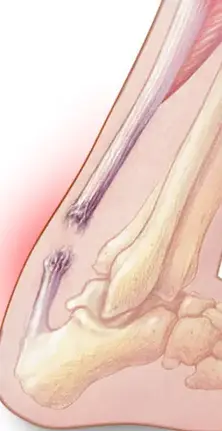
- Achilles tendon: Demands extreme caution — it bears the full body weight and is highly susceptible to rupture, especially with corticosteroid injections.
Severity Classification
- Mild: May respond to rest and simple medications.
- Moderate: Requires structured physiotherapy and a rehabilitation program.
- Severe or chronic: May need advanced interventions such as injections or surgery.
What Is Tendonitis?
Tendons are the strong, cord-like tissues that connect muscles to bones. When a muscle contracts, it pulls on the tendon, which in turn moves the bone. Tendonitis occurs when these tendons become inflamed, swollen, and painful due to overuse or injury. In chronic cases, the condition progresses to tendinopathy — not just inflammation, but actual structural changes and micro-tears within the tendon tissue, making it weak and painful with minimal effort.
Best Antibiotic for Tendonitis: The Complete Answer
Case 1: Non-Infectious Tendonitis (Most Common)
Answer: Antibiotics have zero role here.
Taking amoxicillin, Augmentin, or any other antibiotic for strain-related tendonitis will not relieve pain. Instead, it may cause side effects (such as gastrointestinal problems) and contribute to the growing problem of antibiotic resistance. Treatment focuses on reducing inflammation and rehabilitating the tendon.
Case 2: Infectious (Septic) Tenosynovitis (Dangerous and Rare)
Answer: Antibiotics are the cornerstone of treatment.
This is a medical emergency requiring hospitalization. Symptoms are typically unmistakable:
- Severe, unbearable pain.
- Marked swelling and redness throughout the affected area.
- Fever (elevated body temperature).
- Inability to move the finger or joint (especially in the hand).
The appropriate antibiotic is determined by a specialist orthopedic surgeon in a hospital setting:
- Step one: Urgent surgical intervention — irrigation and debridement to remove pus.
- Step two: Intravenous antibiotics covering common skin and soft-tissue pathogens (particularly Staphylococcus aureus).
- Antibiotic options (for reference only — never self-prescribed): Vancomycin, cephalosporins, or clindamycin, adjusted based on bacterial culture and sensitivity results from the purulent material.

What Are the Other Treatment Options?
If antibiotics are not the answer in most cases, what is the correct treatment?
- Rest and activity modification: Stopping the pain-causing activity is the first step.
- RICE protocol (for acute injuries): Rest, Ice, Compression, and Elevation.
- Physical therapy: The most important treatment, especially for chronic cases. Focuses on eccentric exercises — scientifically proven to rebuild and strengthen tendon tissue.
- Platelet-rich plasma (PRP) injection: One of the newest approaches to stimulate tendon healing.
- Surgical treatment: Reserved for complete tendon rupture or prolonged failure of conservative management — options include tendon release, debridement, or repair.
What Are the Best Pills for Tendonitis?
This is a more appropriate question. When patients search for “antibiotics,” they are usually looking for any pill that will end the pain. The effective medications for non-infectious tendonitis are NSAIDs (non-steroidal anti-inflammatory drugs):
- Ibuprofen — fast-acting, widely available.
- Diclofenac — available as oral tablets and topical gel.
- Naproxen — longer-lasting effect, dosed twice daily.
- Celecoxib — COX-2 selective, gentler on the stomach.
Important warning: These medications should be used for limited periods only (days, not weeks), taken after meals to protect the stomach, and patients with kidney, heart, or gastric ulcer issues must inform their physician before taking them.
Remember: these pills relieve symptoms and help reduce tendon tissue inflammation, but the real treatment lies in physical therapy and tendon strengthening. The pill manages the pain; rehabilitation fixes the problem.
Conclusion: Do Not Self-Treat with Antibiotics
Searching for the “best antibiotic for tendonitis” leads you in entirely the wrong direction in 95% of cases. Using antibiotics without a confirmed bacterial infection wastes money and harms your health. Tendon pain is a signal from your body demanding attention. An accurate diagnosis by a specialized orthopedic surgeon is your first and most essential step toward recovery.
Frequently Asked Questions
Do common types of tendonitis require antibiotics for treatment?
No, routine tendonitis is not an infectious disease and does not respond to antibiotics:
- Over 95% of clinical tendon conditions (including Achilles tendonitis, patellar jumper’s knee, tennis elbow, and rotator cuff tendinopathy) are sterile, degenerative, or overuse injuries.
- The underlying pathophysiology involves collagen fiber micro-tearing, failed biological healing responses (tendinosis), and mechanical friction—not bacterial invasion.
- Antibiotics possess no intrinsic analgesic, anti-inflammatory, or tissue-regenerative properties and have zero therapeutic efficacy against mechanical tendon injury.
When is an antibiotic medically indicated for a tendon condition?
The only valid clinical indication for antimicrobial therapy is infectious (suppurative) tenosynovitis:
- Mechanism of Infection: Bacteria are introduced directly into the closed synovial tendon sheath via a puncture wound (thorn, needle, or rusted nail), penetrating laceration, cat or dog bite, or hematogenous seeding from distant bacteremia.
- Common Site: The flexor sheaths of the hand and fingers (flexor digitorum superficialis and profundus) are predominantly vulnerable, turning the synovial envelope into an enclosed, pressurized abscess space.
What are Kanavel’s four cardinal signs of infectious tenosynovitis?
Kanavel’s signs represent the gold standard diagnostic criteria for infectious tenosynovitis:
- 1. Uniform Fusiform Swelling: Symmetrical enlargement along the entire anatomical length of the digit (“sausage finger”).
- 2. Flexed Posture at Rest: The affected finger is held in slight flexion to maximize sheath volume and alleviate internal pressure.
- 3. Tenderness Along the Sheath: Severe pain elicited by palpation along the entire course of the flexor sheath, rather than focal bone tenderness.
- 4. Pain on Passive Extension: Severe, sharp pain when the examiner attempts to passively straighten the flexed finger; this is the earliest and most sensitive clinical marker.
Which antibiotics are considered first-line for suppurative tenosynovitis?
Empirical antibiotic regimens must deliver high intra-synovial tissue concentrations and target primary skin pathogens:
- Methicillin-Sensitive S. aureus (MSSA) & Streptococci: Intravenous Cefazolin (1–2 g IV every 8 hours) or Ampicillin-Sulbactam (1.5–3 g IV every 6 hours).
- Methicillin-Resistant S. aureus (MRSA): In settings with high local MRSA prevalence or purulent presentation, Vancomycin (adjusted to trough levels) or Daptomycin is initiated immediately.
- Oral Step-Down Therapy: Following clinical stabilization and resolution of systemic signs, patients may be transitioned to oral Amoxicillin-Clavulanate (Augmentin), Cephalexin, or Trimethoprim-Sulfamethoxazole (Bactrim) to complete a 10- to 14-day total course.
Why are fluoroquinolones (like Ciprofloxacin) dangerous for tendons rather than therapeutic?
Fluoroquinolones are directly tenotoxic and carry an FDA Black Box Warning for tendon rupture:
- Mechanisms of Toxicity: Agents such as Ciprofloxacin, Levofloxacin, and Moxifloxacin chelate extracellular magnesium, generate reactive oxygen species (ROS), inhibit tenocyte proliferation, and accelerate type I collagen matrix breakdown.
- Catastrophic Rupture Risk: Use of these medications elevates the risk of acute tendinitis and spontaneous tendon rupture by over 300%, with the Achilles tendon implicated in approximately 90% of reported cases.
- Delayed Onset: Ruptures can occur within 48 hours of starting treatment or manifest up to 6 months after completing the course; they should never be prescribed to treat tendon disorders.
What is the evidence-based medical management for non-infectious tendonitis?
Management of mechanical tendinopathy involves structural and physical rehabilitation rather than systemic anti-infectives:
- Mechanical Load Management: Temporary activity modification to eliminate aggravating tensile forces while maintaining non-provocative movement.
- Targeted Eccentric Rehabilitation: Heavy slow resistance training (e.g., the Alfredson protocol for Achilles tendinopathy) to stimulate tenocyte mechanotransduction and realign collagen fibers.
- Symptomatic Pharmacotherapy: Short-term oral NSAIDs (ibuprofen, naproxen) or topical diclofenac gel for acute pain flares; routine long-term use is avoided to prevent blunting cellular remodeling.
- Advanced Biologicals: Ultrasound-guided Platelet-Rich Plasma (PRP) or Extracorporeal Shockwave Therapy (ESWT) for chronic, non-healing tendinosis refractory to exercise therapy.
What are the clinical consequences of taking unnecessary antibiotics for tendon pain?
Inappropriate antibiotic administration introduces notable patient hazards:
- Delayed Rehabilitation: Misdiagnosing mechanical tendonitis as an infection delays active physical therapy, resulting in secondary muscle atrophy, joint contracture, and extended disability.
- Microbial Resistance: Drives the selection of multi-drug resistant bacterial strains, complicating future treatments for legitimate bacterial infections.
- Systemic Adverse Effects: Disrupts gut microflora balance, risking severe Clostridioides difficile-associated pseudomembranous colitis, hepatic stress, and adverse drug reactions.
When does infectious tenosynovitis require emergency surgical drainage?
Suppurative tenosynovitis is a time-critical orthopedic emergency:
- Vascular Risk: Accumulating purulent exudate within the rigid sheath elevates intracapsular pressure, occluding the delicate nutrient vessels (vincula tendinum) and inducing ischemic tendon necrosis within 48 to 72 hours.
- Surgical Indications: If pain, erythema, and finger swelling fail to markedly regress within 12 to 24 hours of initiating intravenous antibiotics, urgent operative debridement is mandatory.
- Operative Techniques: Involves mini-open counter-incisions for catheter-based closed-sheath irrigation with copious sterile saline, or complete open exposure for extensive, advanced purulent necrosis.
How do orthopedic surgeons differentiate mechanical tendinopathy from bacterial infection?
A systematic clinical evaluation readily separates mechanical overload from true infection:
- Mechanical Tendinopathy: Insidious onset correlated with repetitive athletic or occupational loading; absence of constitutional symptoms; localized, quiet skin; pain linked to active muscle contraction; and normal inflammatory markers (WBC, CRP, ESR).
- Bacterial Tenosynovitis: Hyperacute presentation (within 24–48 hours of inoculation); progressive, throbbing rest pain; spreading cutaneous erythema and local hyperthermia; complete functional immobility; systemic fever; and marked elevations in serum CRP, ESR, and leukocyte counts.
What specific antibiotic is used if a tendon infection is caused by an animal bite?
Animal and human bite inoculations require tailored broad-spectrum microbial coverage:
- Pathogen Profile: Domestic feline and canine bites commonly introduce Pasteurella multocida, a virulent organism capable of producing rapid soft-tissue destruction within hours, alongside mixed oral anaerobes.
- First-Line Antibiotic Choice: Ampicillin-sulbactam (Unasyn) IV, followed by oral Amoxicillin-clavulanate (Augmentin), represents the regimen of choice.
- Pitfall Alert: First-generation cephalosporins (such as cefazolin or cephalexin), clindamycin, and vancomycin lack reliable bactericidal coverage against Pasteurella species and must not be used as monotherapy in animal bite injuries.
References
AAOS OrthoInfo — De Quervain’s Tenosynovitis (2024).
https://orthoinfo.aaos.org/en/diseases–conditions/de-quervains-tendinosis- Cleveland Clinic — Tenosynovitis: Symptoms, Causes, Types & Treatment (2024).
https://my.clevelandclinic.org/health/diseases/23448-tenosynovitis - Cleveland Clinic — Tendonitis: Symptoms, Causes & Treatment (2024).
https://my.clevelandclinic.org/health/diseases/10919-tendonitis - Mayo Clinic — Tendinitis: Diagnosis and Treatment (2024).
https://www.mayoclinic.org/diseases-conditions/tendinitis/diagnosis-treatment/drc-20378248 - Hospital for Special Surgery (HSS) — Tendonitis (Tendinitis): Causes, Symptoms & Treatments (2024).
https://www.hss.edu/health-library/conditions-and-treatments/list/tendonitis - Medscape — Tenosynovitis Treatment & Management (2023).
https://emedicine.medscape.com/article/2189339-treatment - Giladi AM, Malay S, Chung KC — A systematic review of the management of acute pyogenic flexor tenosynovitis. J Hand Surg Eur Vol (2015). PubMed 25670687.
https://pubmed.ncbi.nlm.nih.gov/25670687/ - ScienceDirect — Use of antibiotics in pyogenic flexor tenosynovitis. J Hand Surg Asian-Pac Vol (2023).
https://www.sciencedirect.com/science/article/abs/pii/S2468122922001505